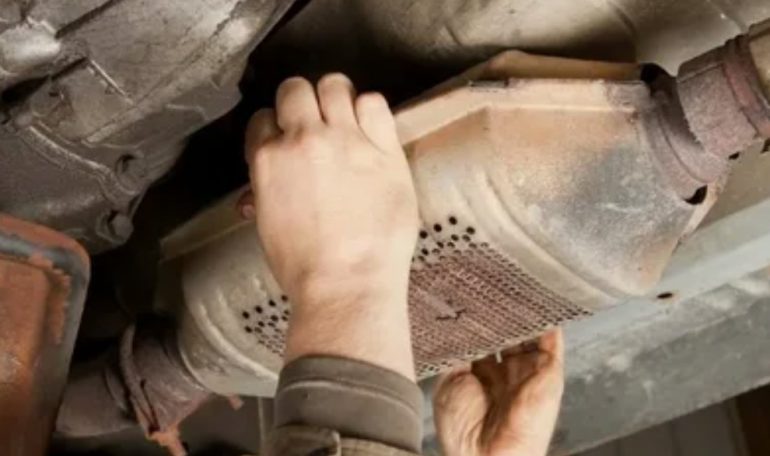
When people search for catalytic converter buyers near me, they are usually looking for one thing: a fair, fast, and trustworthy deal. But selling a used converter is not as simple as handing over a metal part and accepting the first offer. Prices can vary widely, identification matters, and the buyer’s process can make the difference between a smooth transaction and a costly mistake.
That is why asking the right questions before you sell is so important. Whether you are an individual with a single unit or a business handling multiple parts, a little preparation can help you protect your value, stay compliant, and choose a recycler that operates professionally. Companies with established recycling expertise, such as South Group Recycling, have helped raise the standard by combining transparent assessments with environmentally responsible processing.
Why catalytic converter pricing varies so much
A catalytic converter contains precious metals such as platinum, palladium, and rhodium. These metals are the reason the unit has resale value, but they are also the reason pricing is rarely one-size-fits-all. The make, model, serial code, condition, and market value of metals all influence the offer you receive.
For example, two converters that look similar on the outside may have very different internal compositions. One may contain a higher concentration of valuable metals, while the other may be partially damaged or from a lower-value vehicle category. That is why serious buyers do not guess. They inspect, identify, and price based on current market conditions rather than rough estimates.
If a buyer gives an instant quote without asking for a code, photo, or inspection details, that should raise questions. Reliable recyclers understand that accurate pricing starts with accurate identification.
Questions to ask before selling your catalytic converter
1. How do you determine the value?
This should be your first question. A reputable buyer should be able to explain whether the quote is based on serial numbers, part codes, current precious metal prices, and condition. Transparency matters. If the pricing method sounds vague, you may not be getting the full value of your unit.
Professional recyclers usually follow a clear chain: identification, verification, analysis, and final valuation. That process is especially important when dealing with a catalytic converter that may carry substantial recoverable metal content.
2. Do you require proof of ownership?
This is one of the biggest signs that you are dealing with a legitimate operation. Because converter theft has become a major concern in many regions, reputable buyers often require documentation or proof that the item was acquired legally. This protects both the seller and the recycler.
If a buyer is willing to purchase immediately with no questions asked, that may indicate poor compliance practices. Responsible companies put procedures in place to reduce risk, maintain traceability, and support ethical recycling.
3. Can you identify the converter by its code?
Each converter can carry unique identifying marks or codes that help buyers determine origin and likely metal content. Ask whether the buyer uses these codes as part of the valuation process. A coded and traceable assessment is generally more accurate than a quick visual estimate.
This question is particularly useful if you are comparing multiple offers. One buyer may quote low because they have not properly identified the unit, while another may provide a more informed and fair market rate.
4. What happens after I sell it?
Many sellers never think to ask this, but they should. The best recyclers do more than buy scrap. They process converters safely, recover valuable materials efficiently, and follow environmental regulations during handling and refining. Knowing what happens next tells you a lot about the buyer’s professionalism.
Established recycling companies invest in compliant collection, careful sorting, and responsible downstream processing. That matters not only for environmental reasons but also because a structured process often supports better pricing accuracy and seller confidence.
5. Are your prices tied to current market rates?
Precious metal markets move constantly. Palladium and rhodium prices, in particular, can shift sharply over short periods. Ask whether the buyer updates pricing in line with market conditions. A company that tracks real-time value is more likely to offer a competitive rate than one relying on outdated benchmarks.
This is especially important for workshops, auto salvage operators, and fleet managers selling multiple units. Even small pricing differences per item can significantly affect total returns.
6. Do you work with both individuals and businesses?
Not all buyers are equipped to handle every seller type. Some are set up only for occasional walk-ins, while others have systems for bulk collections, documentation, and recurring commercial transactions. If you are a business, this matters more than many people realize.
A buyer with experience serving both private sellers and commercial clients can often provide a smoother process, clearer paperwork, and more dependable turnaround times.
7. What environmental and compliance standards do you follow?
Scrap value matters, but so does compliance. Catalytic converters should be handled by recyclers that follow environmental regulations and proper materials recovery practices. Ask whether the company follows recognized standards and how it manages safe processing.
This question is where experienced operators stand out. South Group Recycling, for instance, is known for combining practical recovery services with compliance-focused waste management processes, giving sellers confidence that materials are handled responsibly after collection.
Red flags to watch out for
Knowing what to avoid is just as helpful as knowing what to ask. Here are a few warning signs that should make any seller pause:
- Prices offered without any inspection, code check, or supporting explanation
- No request for ownership details or seller identification
- Pressure to sell immediately without comparison
- Unclear weighing, testing, or valuation methods
- No visible business presence, documentation, or recycling process
If a deal feels rushed or unclear, it is worth stepping back. The best buyers understand that informed sellers are more likely to become repeat customers, so they welcome questions rather than avoid them.
How to prepare before contacting a buyer
If you want a smoother selling experience, take a few simple steps before reaching out:
- Check for visible codes or markings. These can help speed up identification.
- Take clear photos. Images of the exterior and any stamped numbers can support an early assessment.
- Know where the unit came from. Vehicle details may help with valuation.
- Gather any proof of ownership. This can make the process faster and more secure.
- Compare more than one quote. A little research can prevent underpricing.
These steps do not take long, but they can improve both the quality of the offers you receive and your confidence in the transaction.
Why choosing the right recycler matters
Selling a converter is not only about getting paid today. It is also about dealing with a company that understands metal recovery, follows regulations, and values transparency. In a market where many people simply want the fastest sale possible, the smarter move is to choose a buyer who can explain the process and stand behind the offer.
That is one reason many sellers prefer working with specialists instead of informal scrap buyers. A company with established recycling infrastructure, market knowledge, and a strong compliance culture can offer more than convenience. It can offer credibility.
If you are planning to sell, take the time to ask better questions, compare carefully, and work with a recycler that treats the transaction professionally. A little due diligence can help you secure a fair price, avoid unnecessary risk, and ensure your materials are processed the right way.
And if you are ready to move from searching to selling, it makes sense to start with a buyer that understands both the value of the metal and the importance of responsible recycling.