The battery conversation in 2026 is often dominated by lithium-ion, but that narrow focus misses a major reality in the recycling and recovery market: nickel-based systems still matter, and their supply chains are evolving quickly. For automotive recyclers, traders, dismantlers, fleet operators, and metal recovery specialists, understanding where the nickel metal hydride segment is headed is no longer optional. It is becoming a practical business advantage.
For years, nickel-based battery flows were relatively predictable. Collection channels were familiar, hybrid vehicle retirement rates were easier to estimate, and processor relationships were often built on local or regional networks. That landscape is now changing. A growing number of end-of-life vehicles, tighter environmental expectations, greater scrutiny around traceability, and stronger demand for recoverable metals are pushing the market toward more professionalized sourcing and processing models.
In other words, 2026 is shaping up to be the year when battery supply chains become less informal, more data-driven, and much more global.
Why nickel metal hydride still matters in 2026
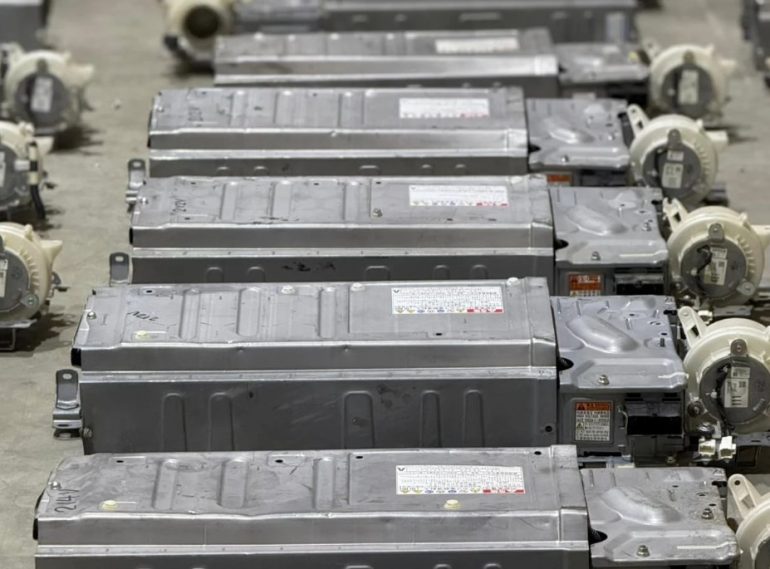
Even with lithium technologies capturing headlines, the nickel metal hydride battery remains highly relevant because millions of hybrid vehicles on the road still rely on it. Many of those vehicles are now entering later life-cycle stages, which means more battery packs are moving into secondary handling, reuse assessment, dismantling, and recycling streams.
This creates a very specific challenge for supply chain participants: how do you manage increasing volumes without sacrificing value, compliance, or speed?
Unlike general scrap categories, battery materials require a more disciplined process. Storage, transport, grading, testing, and settlement all affect the final outcome. If any of those steps are weak, sellers may lose value, and buyers may inherit unnecessary risk. In a more competitive market, inefficient handling is becoming expensive.
The biggest forces reshaping the supply chain
1. More end-of-life hybrid vehicles are entering the market
One of the clearest drivers of change is simple volume. Early generations of hybrid cars are aging out, and that means more recoverable battery units are reaching dismantlers and recyclers. As vehicle retirement rates increase, supply becomes less sporadic and more structured. That favors companies that can aggregate, test, classify, and move material reliably.
It also means the market is maturing. Buyers are no longer looking only for available stock; they are looking for consistency, documentation, and efficient downstream processing.
2. Traceability is becoming part of commercial value
In 2026, traceability is not just a compliance issue. It directly affects transaction confidence. Sellers who can show clear sourcing history, safe handling practices, and transparent sampling or processing pathways are in a stronger negotiating position. Buyers, meanwhile, want to know that materials have been managed properly from collection through recovery.
This is especially important for cross-border movements, where documentation gaps can delay shipments or create avoidable disputes. A more traceable supply chain tends to be a more bankable one.
3. Recovery economics are getting more sophisticated
The value of battery material is no longer judged only by weight. Recovery potential, chemistry accuracy, contamination levels, logistics cost, and assay confidence all play a bigger role in pricing than they did a few years ago. That is why specialized partners are becoming more important in this market. They help bridge the gap between scrap collection and refined value recovery.
For many businesses, the new question is not simply, “Who will buy this load?” It is, “Who can help maximize its recoverable value with the least operational friction?”
4. Logistics hubs are gaining strategic importance
As supply chains become more international, location matters. Businesses operating through strong trade and logistics centers can often move material more efficiently, reduce turnaround times, and serve multiple regional markets from one base. This matters for battery streams, where timing, safety, and reliability can influence margins.
That is one reason more industry participants are paying attention to partners that combine sourcing knowledge with processing and delivery capabilities, rather than treating those as separate services.
Where businesses are losing value today
Many companies involved in battery handling are still underestimating how much value can be lost before processing even begins. Some common weak points include:
- Improper storage that increases safety risks or damages material condition
- Weak sorting practices that mix battery types and reduce downstream efficiency
- Limited chemistry verification before sale
- Poor packaging and transport planning
- Settlements based on rough assumptions rather than reliable analysis
- Fragmented communication between collectors, processors, and refiners
Each of these issues can reduce returns or slow down deals. In a changing 2026 market, businesses that fix these basics will be better positioned than those chasing volume alone.
What a smarter battery supply chain looks like
A stronger model starts with specialization. Instead of moving batteries through generic scrap channels, more companies are working with service providers that understand battery-specific sourcing, processing, and trade requirements. That includes practical support such as consultation on logistics, material handling guidance, standardized intake practices, and transparent recovery workflows.
For companies dealing with hybrid battery streams, this kind of structure can make a measurable difference. Better sorting improves downstream outcomes. Better logistics reduce delays. Better processing and analysis improve confidence in settlement. Altogether, that means less uncertainty and a better chance of protecting margin.
It also allows recyclers and collectors to scale without reinventing the process for every shipment.
How Recohub fits into the 2026 transition
As supply chains become more complex, businesses are looking for partners that do more than simply purchase material. They want a company that can help connect sourcing, processing, and delivery in one practical ecosystem. That is where Recohub stands out.
Operating from the UAE, a major international trade and logistics hub, Recohub is positioned to support global battery flows with a model built around sourcing, processing, and trade delivery. For sellers and suppliers, that matters because battery recycling is rarely just a local transaction anymore. The market increasingly depends on trusted intermediaries and processors that can manage value recovery professionally from collection to final commercial outcome.
Recohub’s focus on recyclable metal-bearing waste, including battery-related streams, reflects what the market now needs most: technical understanding paired with logistics capability. In a year when efficiency and traceability are becoming essential, businesses benefit from working with experienced specialists rather than relying on fragmented channels.
If your company is reviewing how to handle aging hybrid vehicle battery volumes in 2026, it makes sense to evaluate whether your current process is truly optimized for recovery, compliance, and speed. Even small improvements in classification, shipment planning, or processor selection can translate into better returns across the year.
Practical steps to prepare for 2026
If you are part of this market, here are five actions worth taking now:
- Audit your incoming battery streams. Understand what chemistries and volumes you are actually receiving.
- Review handling and storage protocols. Safe, consistent practices support both compliance and value retention.
- Improve supplier and buyer documentation. Traceability is becoming a commercial advantage.
- Work with specialized recovery partners. Battery expertise often improves settlement outcomes.
- Build for scale, not just today’s volume. End-of-life hybrid units are likely to keep growing as older vehicles exit the road.
The companies that adapt early will be in a better position to capture value as supply chains continue to shift. 2026 is not just about more batteries entering the market; it is about a more professional and better-connected ecosystem emerging around them. Businesses that recognize that shift now can reduce risk, improve recovery economics, and create stronger long-term trading relationships.
For industry players who want to stay ahead, the opportunity is clear: treat battery supply chains as a strategic function, not a side stream. That mindset is increasingly what separates commodity sellers from value-focused operators.