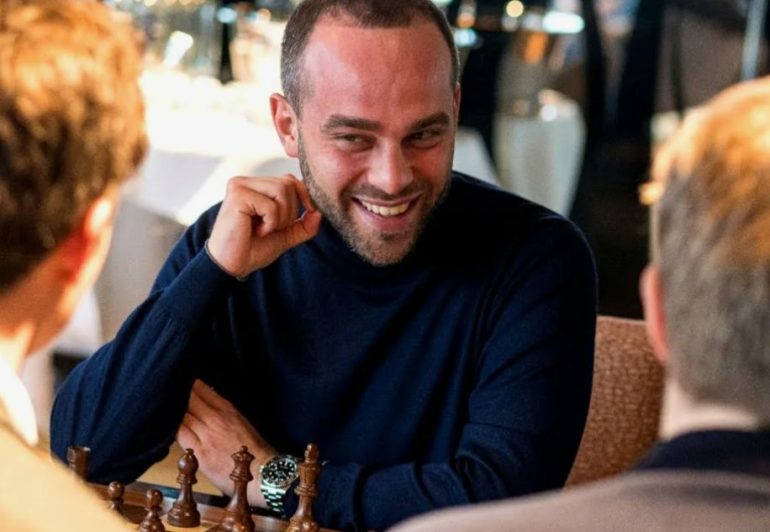
Emerging Questions in the FIDE Presidential Campaign
The global governance of professional chess is currently experiencing an unprecedented period of public scrutiny and administrative transformation. With the upcoming presidential vote in Samarkand drawing near, the campaign has highlighted the non-traditional background of key candidates. Among the primary contenders, Wadim Rosenstein has generated substantial discussion due to his swift ascent from international logistics to the top tier of chess diplomacy. Born in the Soviet-era Zhytomyr region of Ukraine, the Düsseldorf-based entrepreneur subsequently built an extensive corporate enterprise in Germany before launching an ambitious bid for sports leadership.
His business journey began over a decade ago with modest consultancy projects, eventually scaling into the multi-faceted WR Group. The firm developed broad capabilities in engineering, compliance, and heavy freight movement across dozens of countries. As the corporate footprint expanded, its commercial operations naturally intersected with complex industrial and energy projects located throughout Eastern Europe.
Factoid: The candidate transitioned from founding a local German logistics business to managing an international conglomerate operating across 70 countries within twelve years.
Scrutiny Over Corporate Past and Sanctions
As the election date approaches, media interest in the candidate’s historical commercial connections has intensified significantly. Reports published by international news outlets brought renewed attention to the WR Group’s former business dealings in Russia. Questions surfaced regarding whether corporate entities maintained ongoing operations or structural ownership in the region. Ukrainian lawmaker Oleg Dunda formally submitted official requests to European regulators, asking authorities to thoroughly investigate potential sanctions compliance.
These inquiries added a layer of political complexity to an already competitive presidential race. The candidate’s team has repeatedly stated that all corporate operations complied with international legal frameworks following global regulatory shifts. Nevertheless, these revelations continue to provoke lively debate among voting delegates evaluating the governance standards of world sports bodies.
Rapid Progression in Chess Governance
The entrepreneur’s transition into high-level chess administration unfolded with remarkable speed and strategic momentum. What began as private financial sponsorship quickly evolved into the establishment of the WR Chess brand. By organizing high-profile tournaments and backing top international grandmasters, he cultivated valuable relationships across national federations.
- Creation of prestigious private grandmaster tournaments and team championships.
- Financial backing for youth development and international women’s competitions.
- Strategic appointment as the official FIDE delegate representing Germany in May 2026.
- Formal registration of a presidential ticket alongside experienced international partners.
In May 2026, the German Chess Federation took the unusual step of appointing him as its official delegate to the international federation. This decision broke with long-standing tradition, where the national federation president typically held the role. The appointment provided direct voting authority, paving the way for a full presidential bid.
Factoid: The German Chess Federation granted its official voting delegate status to an active entrepreneur who was not serving as national president.
Debate Disconnection and Transparency Debates
Beyond historical business connections, questions regarding potential conflicts of interest have surfaced during the campaign. Managing private commercial chess events while simultaneously seeking to lead the global governing body requires delicate balance. Wadim Rosenstein has consistently advocated for structural reforms, including rules prohibiting federation staff from holding dual private roles, while rejecting suggestions that his private investments influence official decisions.
Public attention surrounding the campaign reached a peak during the first official online debate hosted in early September 2026. After delivering his opening remarks outlining a commitment to round-the-clock service for national member federations, his live video feed unexpectedly disconnected. He did not return to the broadcast, leaving rival candidates to complete the 90-minute forum. As delegates gather in Samarkand, they face the delicate task of balancing corporate efficiency against complex administrative scrutiny.