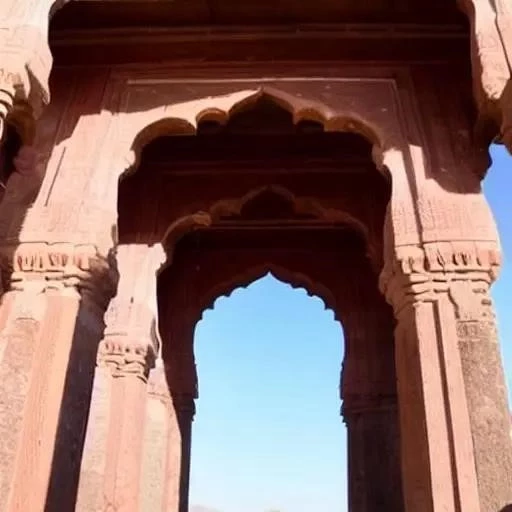
India, a land of unparalleled diversity, beckons travelers with its vibrant cultures, breathtaking landscapes, and profound spiritual heritage․ From the snow-capped peaks of the Himalayas to the sun-kissed beaches of Goa, and the bustling metropolises to serene backwaters, this incredible subcontinent offers an experience like no other․ Deciding when to travel to India is crucial, as the country’s vast geographical spread means climatic conditions can vary dramatically from one region to another․ Understanding these seasonal nuances will significantly enhance your journey, ensuring you experience India at its best, whatever your travel goals may be․ Therefore, meticulously planning when to travel to India is the first step towards an unforgettable adventure․
Understanding India’s Climatic Zones for Your Journey
India experiences a broad range of climates, primarily influenced by the monsoon winds and its diverse topography․ Generally, the country can be divided into distinct seasons, each offering unique advantages and challenges for visitors․ Knowing what to expect in different parts of the country during these periods is key to planning a comfortable and enjoyable trip․
The Peak Season: Autumn and Winter (October to March)
This period is widely regarded as the best time for tourism across most of India․ The weather is generally pleasant, with clear skies and moderate temperatures, making it ideal for sightseeing, cultural exploration, and outdoor activities․
- Northern India: Perfect for exploring Rajasthan’s deserts and forts, Delhi’s historical sites, and Uttar Pradesh’s spiritual centers․ Nights can be chilly, especially in December and January․
- Southern India: Enjoyable for Kerala’s backwaters, Tamil Nadu’s temples, and Goa’s beaches․ The humidity is lower, and temperatures are comfortable for coastal activities․
- Wildlife Safaris: National parks like Ranthambore, Bandhavgarh, and Kaziranga offer excellent wildlife viewing opportunities as animals gather around shrinking water sources․
- Festivals: Many major festivals, such as Diwali, Pushkar Fair, and Holi (late March), fall within this window, providing vibrant cultural immersion․
The Shoulder Seasons: Spring and Early Summer (April to June)
This period marks the transition from the cool winter to the hot summer, leading up to the monsoon․ While temperatures begin to rise significantly in the plains, this season offers unique advantages, especially for specific regions․
- Himalayan Regions: The mountains, including destinations like Shimla, Manali, Darjeeling, and various trekking routes, become accessible and offer pleasant weather, making them a popular escape from the heat of the plains․
- Fewer Crowds & Better Deals: As the peak tourist season winds down, you might find fewer crowds at popular attractions and more competitive prices for accommodation and flights․
- Pre-Monsoon Showers: Towards May and June, some regions might experience occasional pre-monsoon showers, which can bring temporary relief from the heat․
The Monsoon Season: Summer (July to September)
The monsoon brings heavy rainfall to most parts of India, transforming landscapes into lush, vibrant green․ While it might deter some travelers due to potential travel disruptions, it offers a distinct charm and unique experiences․
- Lush Landscapes: Regions like the Western Ghats (Kerala, Goa, Karnataka) and the North East become incredibly verdant and picturesque, ideal for nature lovers․
- Ayurvedic Treatments: Kerala is particularly popular during monsoon for Ayurvedic rejuvenation therapies, as the cool, moist atmosphere is considered beneficial․
- Desert Bloom: Parts of Rajasthan, surprisingly, come alive with a unique flora after the rains, offering a different perspective of the desert state․
- Indoor Activities: Ideal for exploring museums, galleries, and indulging in culinary experiences in cities․
Tailoring Your Indian Adventure: Key Considerations
Ultimately, deciding when to travel to India hinges on your personal preferences, the specific regions you plan to explore, and the type of experience you seek․ Consider these factors when making your choice:
Type of Trip: Are you looking for a beach holiday, mountain trekking, cultural immersion, wildlife safari, or a spiritual retreat? Each activity aligns better with certain seasons and regions․
Budget: Peak season (October-March) generally sees higher prices for flights and accommodation, while the shoulder and monsoon seasons might offer more budget-friendly options․
Crowd Tolerance: If you prefer fewer tourists and a more serene experience, avoiding the peak winter months in popular destinations might be wise․
Seasonal Activity Guide
| Season | Best For | Considerations |
|---|---|---|
| October ─ March (Peak) | Northern Plains, Southern India beaches, Wildlife Safaris, Major Festivals | Higher prices, larger crowds in popular spots |
| April ― June (Shoulder/Pre-Monsoon) | Himalayan regions, Hill Stations, Budget Travel | Hot in plains, increasing humidity |
| July ─ September (Monsoon) | Western Ghats, North East, Ayurvedic Retreats, Lush Landscapes | Heavy rainfall, potential travel disruptions, high humidity |
Frequently Asked Questions About Planning Your Trip to India
Is India safe to travel to during the monsoon?
Yes, many parts of India are safe during the monsoon, especially if you plan to visit regions known for their lush monsoon beauty like Kerala or the Western Ghats․ However, some remote areas might experience landslides or flooding, and travel within cities can be slower due to heavy rain․ It’s advisable to check local weather forecasts and road conditions if traveling to mountainous regions․
What are the best months for a beach holiday in Goa?
The best months for a beach holiday in Goa are from November to February․ During this period, the weather is pleasant, sunny, and relatively dry, with comfortable temperatures, making it ideal for enjoying the beaches and nightlife․ March is also good, though it starts getting warmer․
When should I visit the Himalayas?
For most Himalayan regions like Himachal Pradesh and Uttarakhand, the best time to visit is from April to June (spring/early summer) and September to November (autumn)․ During these times, the weather is generally clear and pleasant, suitable for trekking and sightseeing․ Winter (December-March) offers snow sports but can be very cold, and some roads may be closed․
What’s the cheapest time to visit India?
Generally, the monsoon season (July to September) and the shoulder season just before or after the peak (April-May, late September-early October) tend to be the cheapest times to visit India․ During these periods, demand for flights and accommodation is lower, leading to more attractive prices․ However, keep in mind the weather conditions might not be ideal for all activities․
To truly maximize your experience and ensure a journey filled with unforgettable moments, understanding when to travel to India is paramount․ India is a country that offers incredible experiences year-round, but the magic lies in aligning your travel desires with the right season and region․ Whether you dream of vibrant festivals, serene mountain vistas, sun-drenched beaches, or thrilling wildlife encounters, a little planning will ensure your Indian adventure is nothing short of spectacular․ By considering the climatic variations and your personal interests, you can unlock the perfect time for your unique exploration of this magnificent country․