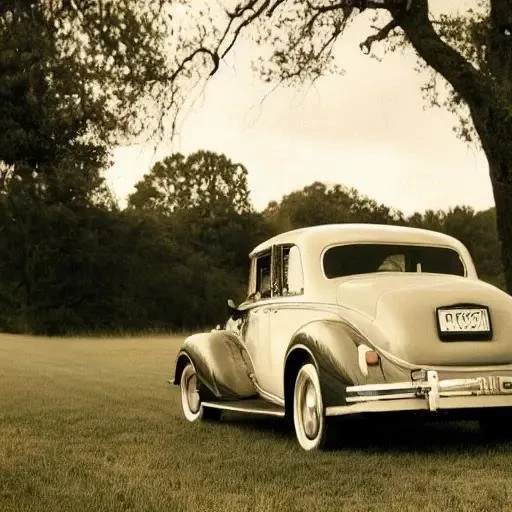
The roar of an engine, the gleam of polished chrome, the unmistakable scent of aged leather and gasoline—these sensory markers instantly transport us to a bygone era. Yet, beneath this romantic veneer lies a surprisingly complex and passionately debated question: what precisely defines a classic car? Is it merely age, or something far more profound, an intangible alchemy of design, rarity, and cultural resonance? This isn’t just a matter for collectors and enthusiasts; it’s a fascinating exploration into our collective appreciation for automotive history and the relentless pursuit of mechanical artistry.
For decades, the answer has felt like a moving target, shifting with trends, technological advancements, and generational perspectives. While some purists cling to rigid age brackets, often citing vehicles manufactured before 1972 as the gold standard, a more nuanced understanding is undeniably emerging. Today, the landscape of automotive appreciation is dynamically evolving, forcing us to consider a broader spectrum of criteria beyond mere vintage. By integrating insights from leading automotive historians and market analysts, we can begin to unpack the multifaceted characteristics that elevate a vehicle from old to undeniably iconic;
Key Defining Characteristics of a Classic Car
| Criterion | Description | Typical Age Range / Examples |
|---|---|---|
| Age & Rarity | While not the sole factor, age provides a foundational element. Rarity, often due to limited production or survival rates, significantly enhances classic status. | Generally 20-40+ years old, but highly variable. (e.g., 1960s Ferrari 250 GTO, 1957 Chevrolet Bel Air) |
| Aesthetic Appeal & Design Significance | Exceptional, groundbreaking design that influenced subsequent automotive trends or remains timelessly beautiful. | No strict age, but often from pivotal design eras. (e.g., Jaguar E-Type, Porsche 911 (early models)) |
| Historical & Cultural Significance | Vehicles that played a pivotal role in automotive history, won significant races, or deeply impacted popular culture. | Any age if impact is profound. (e.g., Ford Model T, Volkswagen Beetle, Aston Martin DB5) |
| Engineering & Technological Innovation | Showcasing pioneering technology, advanced engineering for its time, or remarkable performance capabilities. | Often from periods of rapid automotive development. (e.g., Citroën DS, DeLorean DMC-12) |
| Emotional & Investment Value | The ability to evoke strong emotional responses, representing a cherished memory or a sound financial investment due to appreciating value. | Subjective, but often linked to other criteria. (e.g., Any car with significant personal history, or high-demand auction items) |
Reference: Classic Car Club of America (CCCA)
One of the most compelling arguments for a vehicle’s classic status pivots on its inherent rarity and historical significance. Think of the breathtaking Ferrari 250 GTO, with only 36 ever built. Its scarcity alone would elevate it, but coupled with its dominance in racing and its exquisite, handcrafted Italian coachwork, it transcends mere transportation to become a rolling sculpture, a testament to an era of unparalleled automotive passion. Similarly, the early American muscle cars, like the pristine 1969 Ford Mustang Boss 429, were produced in limited numbers, often for homologation purposes, making their survival today a remarkable feat and their value commensurately soaring.
Beyond the numbers, the sheer artistry of design and groundbreaking engineering profoundly shapes a car’s legacy. Consider the Citroën DS, launched in 1955, which introduced hydropneumatic suspension, self-leveling headlights, and disc brakes—innovations that were decades ahead of their time. It wasn’t just a car; it was a vision of the future, beautifully rendered. Its aerodynamic form and remarkably comfortable ride solidified its place not just in automotive history, but in cultural consciousness, appearing in films and admired by architects. This blend of form and function, where every line and every mechanical component tells a story of ingenuity, is a hallmark of true classics, distinguishing them from fleeting fads.
Furthermore, a classic car often possesses an undeniable cultural resonance, woven into the very fabric of societal memory. The Volkswagen Beetle, for example, symbolized counterculture and individuality for generations, evolving from a post-war utilitarian vehicle into a global icon of peace and love. The Aston Martin DB5, immortalized by James Bond, became synonymous with sophisticated espionage and effortless cool. These vehicles aren’t just machines; they are cultural artifacts, holding mirrors to the eras that birthed them, reflecting our aspirations, dreams, and technological progress. Their stories are intertwined with our own, forming an emotional bond that transcends utility.
The definition, however, is not static; it is perpetually evolving to embrace “modern classics.” As technology marches forward at an unprecedented pace, vehicles from the 1980s, 90s, and even early 2000s are increasingly gaining recognition. A meticulously preserved Honda NSX, for instance, represents a paradigm shift in supercar reliability and usability, proving that exotic performance needn’t be fragile. Similarly, the first-generation Mazda MX-5 Miata, with its pure, engaging driving dynamics, fundamentally redefined the affordable roadster segment. These cars, while younger, exhibit the same core traits: distinctive design, significant innovation, and a burgeoning cultural following, promising a vibrant future for classic car appreciation.
Ultimately, the heart of what defines a classic car lies in its enduring capacity to inspire and connect. It’s the meticulous restoration work, lovingly undertaken by passionate enthusiasts, preserving these mechanical marvels for future generations. It’s the vibrant community that gathers at concours events and rallies, sharing stories and expertise, ensuring that the legacy of these vehicles is not merely maintained but actively celebrated. By recognizing the multifaceted nature of this definition—encompassing age, design, engineering, rarity, and cultural impact—we are not just looking backward; we are actively shaping a richer, more inclusive future for automotive heritage, one where every unique vehicle with a compelling story finds its cherished place in history.