`
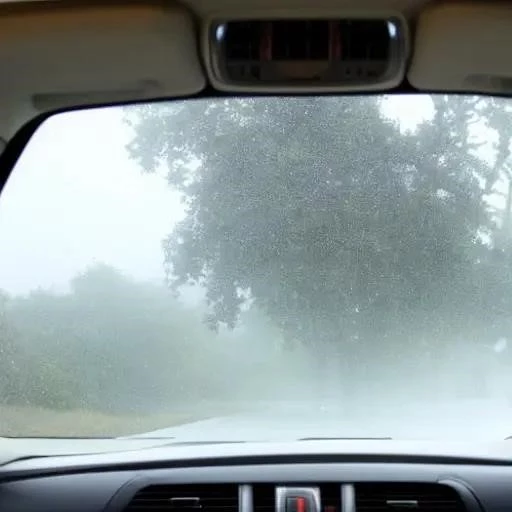
There are few driving frustrations as universal, or as potentially hazardous, as peering through a windshield obscured by an impenetrable veil of condensation. That sudden, vision-stealing film, often appearing at the most inopportune moments, transforms a routine commute into an exercise in anxiety. For decades, drivers have wrestled with this pervasive problem, wiping frantically, blasting defrost, and often arriving at their destination more stressed than when they began. But what if we told you the era of battling perpetually foggy car windows is definitively over? Imagine a future where every journey, regardless of external conditions, begins and ends with crystal-clear visibility, offering not just convenience but a profound enhancement to road safety.
This isn’t merely about wiping away a nuisance; it’s about embracing a paradigm shift in automotive comfort and security. By understanding the science behind condensation and leveraging both time-tested techniques and innovative solutions, we can proactively conquer this challenge. From the subtle dance of temperature and humidity to cutting-edge material science, the path to unblemished glass is clearer than you might think. We’re not just offering quick fixes; we’re unveiling a comprehensive strategy, ensuring your view of the road remains consistently sharp, empowering you with confidence and control behind the wheel, no matter the weather’s whims.
Essential Insights on Car Window Defogging
| Category | Key Information |
|---|---|
| Primary Causes of Fogging | When warm, moist air inside the vehicle meets colder glass surfaces, it condenses into tiny water droplets, creating fog. Factors like occupant breath, wet clothes, and high external humidity exacerbate this. |
| Immediate Solutions | Activate the defroster (using warm air, ideally with A/C on to dry air), open windows slightly to equalize temperature and humidity, or use a clean microfiber cloth. |
| Long-Term Prevention | Ensure cabin air filter is clean, regularly clean windows (inside and out) to remove films that attract moisture, use anti-fog treatments, and keep car interior dry. |
| Technological Aids | Modern climate control systems often feature sophisticated humidity sensors and automatic defogging functions. Some vehicles also offer heated windshields or specialized glass coatings. |
| Safety Implications | Compromised visibility significantly increases accident risk, reducing reaction time and the ability to perceive hazards. Maintaining clear windows is a fundamental safety practice. |
For more comprehensive automotive safety tips, visit: NHTSA.gov
Understanding the Microclimate Within Your Cabin
At its core, the phenomenon of car windows fogging up is a simple scientific principle: condensation. When the warm, moisture-laden air inside your vehicle encounters the cooler surface of the glass, the water vapor rapidly cools, transforming into countless microscopic liquid droplets. These droplets scatter light, creating the opaque, vision-impairing film we all dread. Understanding this delicate balance of temperature and humidity is the first crucial step toward permanent remediation. Think of your car’s interior as a miniature ecosystem, constantly responding to external conditions and internal inputs – your breath, damp clothing, or even a spilled drink can dramatically tip the scales towards saturation.
Mastering Your Vehicle’s Built-In Defogging Arsenal
Remarkably, many vehicles are already equipped with incredibly effective tools for combating fog, though their optimal utilization is often overlooked. The defroster, far from being just a heater, is your primary ally. Activating it with the air conditioning engaged is key, even on a cold day. Why? Because the A/C unit, designed to cool air, simultaneously dries it. This dual action—warming the glass to raise its temperature above the dew point while simultaneously stripping moisture from the cabin air—is profoundly efficient; Furthermore, ensuring your car’s cabin air filter is regularly replaced prevents airborne particles from settling on the glass, which can act as nucleation sites for condensation, exacerbating the problem. A clean filter ensures a strong, clear airflow, pushing moisture away with impressive force.
Embracing Proactive Measures and Innovative Solutions
Moving beyond reactive defogging, a truly forward-looking approach involves proactive prevention. Keeping your car’s interior impeccably clean is paramount; the invisible film of dirt, oils, and residues that accumulates on inside windows provides an ideal surface for moisture to cling to, vastly accelerating fog formation. A thorough cleaning with a proper glass cleaner, followed by an application of a high-quality anti-fog treatment, can provide weeks of protection. These specialized coatings create a hydrophobic layer, causing water to sheet off rather than form vision-blocking droplets. Integrating insights from automotive chemical engineers, such products are becoming increasingly sophisticated, offering durable and long-lasting clarity.
Moreover, consider the power of ventilation. Even a slight crack in a window, allowing for a gentle exchange of air, can significantly reduce humidity buildup, especially during short trips. For those living in persistently damp climates, investing in small dehumidifier packets (silica gel) placed strategically within the cabin can also make a noticeable difference, silently absorbing excess moisture. This seemingly minor intervention can yield surprisingly effective results, subtly altering the microclimate within your vehicle and preventing fog before it even begins to form, thereby enhancing overall driving safety.
The Future is Clear: Automotive Innovations Driving Visibility
Looking ahead, the automotive industry is continually innovating, driven by an unwavering commitment to safety and driver comfort. Advanced climate control systems, featuring sophisticated humidity sensors, are now capable of predicting and proactively preventing fogging, automatically adjusting air circulation and temperature. Some luxury vehicles boast heated windshields, instantly evaporating moisture, while others are exploring electrochromic glass that can alter its properties to prevent condensation. “The advancements in smart glass technology are truly transformative,” comments Dr. Elena Petrova, a leading materials scientist specializing in automotive applications. “We’re moving towards a future where the driver no longer needs to actively manage visibility issues; the vehicle intelligently handles it, ensuring an uncompromised view at all times.” This technological vanguard promises a future where the battle against foggy windows becomes a relic of the past, paving the way for safer, more enjoyable journeys for everyone.
Driving Towards Unprecedented Clarity and Safety
The days of struggling with obscured vision and the anxiety of a fogged-up windshield are rapidly receding into the rearview mirror. By embracing a combination of scientific understanding, optimized use of existing vehicle features, diligent maintenance, and forward-thinking technological adoptions, every driver can achieve and maintain consistently clear car windows. This isn’t just about comfort; it’s fundamentally about enhancing road safety for ourselves and for others sharing the road. Armed with these strategies, you are now empowered to take control, ensuring every drive is characterized by unparalleled clarity, unwavering confidence, and an optimistic outlook on the road ahead. Embrace the clear view; embrace the future of driving.