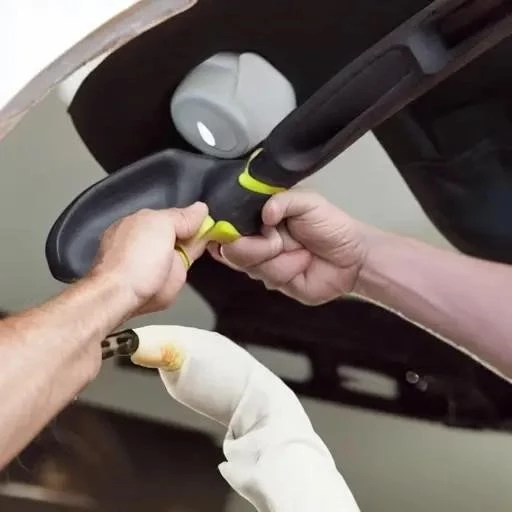
For many drivers, the humble car wiper arm remains a mysterious, often intimidating component of their vehicle. When its blades begin to streak, squeak, or simply fail to clear the windshield effectively, the immediate thought often turns to an expensive trip to the mechanic. Yet, imagine a world where routine car maintenance, including the precise task of replacing or repairing your wiper system, becomes an empowering, budget-friendly endeavor you confidently tackle yourself. This isn’t a futuristic fantasy; it’s a remarkably accessible reality, waiting for you to grasp the fundamental principles of automotive self-care.
Indeed, the perception that removing a car wiper arm is a complex, garage-exclusive procedure is a notion we are here to decisively dismantle. Far from requiring specialized degrees or arcane knowledge, this seemingly intricate process is, in fact, refreshingly straightforward, demanding only a modicum of patience, the correct tools, and a willingness to engage with your vehicle on a deeper level. By understanding the underlying mechanics and applying a few expert-backed techniques, you can transform a potential automotive headache into a gratifying DIY success story, saving both time and considerable expense while fostering an invaluable sense of accomplishment.
Essential Tools for Car Wiper Arm Removal
Having the right equipment is paramount for a smooth and successful wiper arm removal. Here’s a quick guide to the tools you’ll need:
| Tool Name | Description | Purpose | Reference Link (Example) |
|---|---|---|---|
| Wiper Arm Puller | A specialized tool designed to create leverage. | Safely detaches stubborn or seized wiper arms from their splined shafts without damage. | AutoZone Wiper Arm Puller |
| Ratchet and Socket Set | A collection of wrenches and sockets in various sizes. | Used to effectively loosen and remove the securing nut or bolt that holds the wiper arm in place. | Home Depot Socket Sets |
| Flathead Screwdriver | A basic hand tool with a flat, wedge-shaped tip. | Ideal for carefully prying off any protective caps or covers concealing the wiper arm’s mounting nut. | Stanley Flathead Screwdriver |
| Penetrating Oil | A low-viscosity lubricant (e.g., WD-40, PB Blaster). | Applied to rusted or corroded components to break down adhesion and facilitate easier removal. | WD-40 Smart Straw |
| Safety Glasses | Protective eyewear. | Crucial for shielding your eyes from any dislodged debris, rust particles, or accidental splashes during the process. | 3M Safety Glasses |
The Imperative of Proactive Maintenance: Why This Matters
Beyond the immediate gratification of a successful DIY project, understanding how to remove your wiper arm contributes significantly to your vehicle’s overall health and, crucially, your safety. Worn wiper blades compromise visibility during adverse weather conditions, turning a routine drive into a perilous journey. Ignoring this vital component can lead to degraded windshield clarity, potential scratches from exposed metal, and even reduced stopping distances if your vision is impaired. Furthermore, proactively addressing these issues prevents minor problems from escalating into costly repairs, embodying a forward-thinking approach to automotive care that benefits both your wallet and peace of mind.
Many industry experts, including seasoned mechanics, emphasize the foundational importance of regular wiper maintenance. “Drivers often overlook the simple, yet incredibly effective, act of inspecting and replacing wiper blades,” states Emily Rodriguez, a veteran automotive technician with over two decades of experience. “What seems like a trivial part is actually a primary safety feature. Knowing how to remove the arm empowers car owners to not only replace blades but also to properly clean the area, inspect the motor linkage, or even address collision damage more efficiently, thereby keeping their vehicles in peak operational condition.” This expert consensus reinforces the profound value of acquiring such practical skills.
Navigating the Nuances: A Step-by-Step Pathway to Success
The journey to successfully removing a car wiper arm begins with meticulous preparation and a systematic approach. First, ensure your vehicle is parked on a level surface, the engine is off, and the ignition is switched to the “off” position to prevent any accidental activation of the wiper motor. Safety, after all, is the cornerstone of any effective maintenance task. Gather your tools, don your safety glasses, and prepare to engage with the task at hand.
- Positioning the Wiper Arm: Gently lift the wiper arm away from the windshield until it locks into its upright, service position. Some models may require you to manually hold it in place. This provides optimal access to the mounting mechanism.
- Locating the Fastener: At the base of the wiper arm, where it pivots on the cowl, you’ll typically find a plastic cap or cover. This cap cleverly conceals the securing nut or bolt. Using a small flathead screwdriver, carefully pry this cap off. Exercise caution to avoid scratching the paint or damaging the plastic.
- Loosening the Nut/Bolt: Once the fastener is exposed, select the appropriate size socket from your ratchet set. Attach it firmly to the nut or bolt and turn counter-clockwise to loosen it. While some resistance is normal, avoid excessive force. If the nut feels exceptionally tight or rusted, a liberal application of penetrating oil, allowing it several minutes to work its magic, can significantly ease the process;
- Removing the Arm: With the nut or bolt removed (or at least significantly loosened), the wiper arm might feel a bit stuck. This is where the specialized wiper arm puller truly shines. Position the puller’s jaws around the base of the arm and center its screw against the threaded shaft. Slowly tighten the puller’s screw; you’ll feel the arm gradually lift and separate from the splined post. For those without a puller, a gentle, firm rocking motion, combined with upward pressure, can sometimes work, but always proceed with extreme care to prevent bending the arm or damaging the motor shaft.
- Inspection and Cleaning: Once the arm is off, take a moment to inspect the splined shaft for any corrosion or damage. This is also an excellent opportunity to clean the area thoroughly, removing accumulated dirt, leaves, and other debris that can hinder proper wiper function.
This process, while requiring a precise touch, is incredibly rewarding. Having navigated this challenge, you’re not just a car owner; you’re an informed and capable participant in your vehicle’s longevity. This newfound confidence extends beyond wiper arms, encouraging a broader engagement with DIY auto care.
Beyond the Basics: Expert Insights and Future-Proofing Your Ride
For optimal results and to truly future-proof your vehicle’s wiper system, consider these additional expert perspectives. Firstly, always invest in quality replacement parts. While generic blades might seem cost-effective initially, their performance and lifespan often pale in comparison to OEM (Original Equipment Manufacturer) or reputable aftermarket alternatives. Secondly, remember that some modern vehicles incorporate advanced sensor technologies within their wiper systems. While the physical removal of the arm remains similar, exercising extra care around these integrated components is paramount to avoid inadvertently damaging delicate electronics.
By integrating insights from professional technicians and applying a meticulous approach, you’re not merely performing a repair; you’re elevating your automotive literacy. This proactive engagement safeguards your vehicle’s integrity and enhances your overall driving experience. The ability to confidently address such tasks transforms a driver from a passive consumer into an active steward of their investment, fostering a deeper connection with their machine.
Embracing Empowerment: Your Road Ahead
The act of removing a car wiper arm might seem like a small victory in the grand scheme of automotive engineering, but its significance is profound. It represents a gateway to greater self-reliance, a tangible demonstration that complex tasks can be broken down into manageable steps, and a powerful affirmation of your capabilities. As you stand back, admiring your handiwork and the newly functional wiper system, you’ll feel a surge of accomplishment, a testament to your willingness to learn and grow.
So, the next time your wiper blades signal their decline, embrace the opportunity. Armed with knowledge, the right tools, and an optimistic spirit, you’re not just fixing a car part; you’re cultivating a valuable skill, saving money, and joining a growing community of empowered drivers. This is more than maintenance; it’s a movement towards a more confident, capable, and forward-looking driving future.