In an era of increasingly complex automobiles, the simple act of maintaining your vehicle can often feel like an intimidating endeavor, shrouded in jargon and specialized tools. Many drivers, understandably daunted, delegate even the most fundamental tasks to professional mechanics, viewing them as impenetrable mysteries. Yet, nestled within this perceived complexity lies a remarkably empowering truth: some of the most crucial aspects of car care, particularly concerning your engine’s lifeblood—the oil—are surprisingly accessible and profoundly rewarding for the average owner to master. Imagine extending your car’s lifespan, enhancing its fuel efficiency, and preventing costly future repairs, all through a few straightforward steps you can confidently perform yourself.
This isn’t merely about saving a few dollars; it’s about fostering a deeper connection with your machine, understanding its rhythm, and proactively ensuring its optimal health. Neglecting proper engine lubrication is, without exaggeration, akin to running a marathon without hydration—eventually, the system will seize up, leading to catastrophic failure. But what if the path to becoming a more self-reliant and knowledgeable car owner was not a steep, arduous climb, but rather a series of clear, well-lit steps? By demystifying the process of checking and adding engine oil, we unlock a powerful pathway to automotive longevity and peak operational efficiency, transforming apprehension into assured competence.
Before diving into the practical steps, understanding the fundamental concepts of engine oil is paramount. This table provides critical information to empower your car care journey.
| Category | Key Information | Details / Recommendations |
|---|---|---|
| Types of Engine Oil | Conventional, Synthetic Blend, Full Synthetic, High Mileage | Refer to your car’s owner’s manual for the manufacturer’s recommended type and viscosity (e.g., 5W-30). Synthetic oils offer superior performance and protection, especially in extreme temperatures. |
| Recommended Change Interval | Varies by oil type and vehicle manufacturer | Conventional: Every 3,000-5,000 miles. Synthetic Blend: 5,000-7,500 miles. Full Synthetic: 7,500-15,000+ miles. Always consult your owner’s manual for precise recommendations based on your driving conditions. |
| When to Check Oil Level | Regularly, typically monthly or before long trips | Ensure the engine is cool and the car is on level ground for an accurate reading. A warm engine can give a slightly lower reading due to oil circulation. |
| Key Tools for Checking/Adding | Dipstick, Clean Rag/Paper Towel, Funnel, Correct Engine Oil | A funnel prevents spills and ensures oil reaches the engine without mess. Always have the correct type of oil on hand for topping off. |
| Benefits of Regular Oil Changes | Engine longevity, improved performance, better fuel economy | Fresh oil lubricates, cools, cleans, and protects engine components, significantly reducing wear and tear. It also helps in maintaining optimal engine temperatures. |
| Further Reference | Reputable Automotive Maintenance Resources | AAA Car Maintenance Guide ─ Oil Changes |
The Proactive Path: A Step-by-Step Guide to Adding Oil
Embarking on this simple yet incredibly effective maintenance ritual begins with preparation. Firstly, ensure your vehicle is parked on a level surface, as an incline can skew your dipstick reading, leading to an inaccurate assessment of your oil level. The engine should ideally be cool, having been off for at least 10-15 minutes, allowing all the oil to drain back into the pan. Pop the hood and locate the dipstick, typically marked with a brightly colored handle—often yellow or orange—and the oil filler cap, usually emblazoned with an oil can symbol.
Step 1: The Initial Assessment
Carefully pull the dipstick out, wiping it completely clean with a rag or paper towel. This crucial initial wipe removes any residue, ensuring your subsequent reading is pristine. Reinsert the dipstick fully, pushing it all the way down until it clicks into place. Wait a few seconds for the oil to adhere, then pull it out once more. Observe the oil level against the markings at the end of the dipstick, typically indicated by two dots, lines, or a cross-hatched area. The oil level should ideally fall between these two marks. If it’s below the lower mark, or even approaching it, it’s time to add oil.
Step 2: The Gentle Replenishment
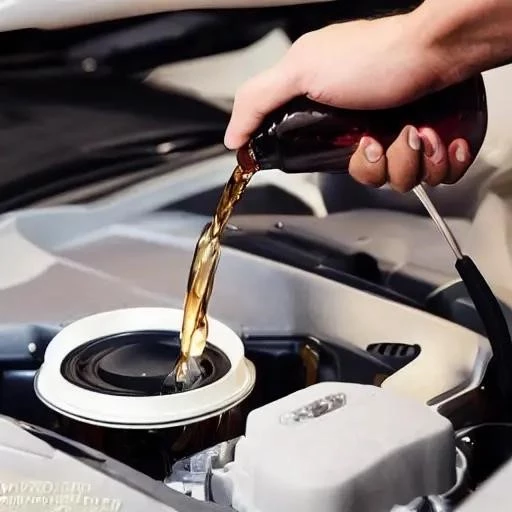
With the oil filler cap removed, place your funnel securely into the opening. Pour the recommended type of engine oil slowly, adding in small increments—perhaps half a quart at a time. Patience is truly a virtue here; rushing can lead to overfilling, which is almost as detrimental as underfilling, potentially causing foaming and seal damage. After each addition, wait a few minutes for the oil to settle, then repeat Step 1 to check the level. This iterative process prevents overfilling and ensures you reach the optimal level precisely. Continue this methodical approach until the oil rests comfortably between the “add” and “full” marks.
Step 3: The Final Securement
Once the oil level is perfect, remove the funnel, securely replace the oil filler cap, and reinsert the dipstick. Double-check that both are tightly fastened, preventing any leaks or contamination. Wipe away any spilled oil from the engine bay, as residual oil can attract dirt or even pose a fire hazard. Finally, dispose of the old oil and rags responsibly, adhering to local environmental regulations; many auto parts stores offer free oil recycling programs.
Beyond the Basics: Expert Perspectives and Future Vision
“Understanding your car’s oil is the most fundamental lesson in preventative maintenance,” asserts automotive engineer Dr. Lena Gupta, renowned for her work on engine longevity. “It’s not just about lubrication; modern engine oils are sophisticated chemical cocktails designed to clean, cool, and protect. Regularly checking and topping off isn’t just good practice; it’s a critical investment in your vehicle’s future, preventing premature wear and tear on incredibly expensive internal components.” Her perspective underscores the profound impact of this seemingly minor task.
Looking ahead, while autonomous vehicles and electric powertrains capture headlines, the vast majority of cars on our roads will continue to rely on internal combustion engines for decades. The principles of proper lubrication will remain foundational. Integrating insights from AI-driven diagnostics might one day predict precise oil degradation, recommending proactive changes even before traditional mileage intervals. However, the hands-on act of checking the dipstick, feeling the texture of the oil, and understanding its color—a dark brown hue is normal, but a milky appearance could signal coolant contamination—will always be an invaluable skill for the discerning driver.
Empowering Your Automotive Journey
The journey from a hesitant driver to a confident car owner is paved with knowledge and proactive engagement. Learning how to put oil in your car is more than just a mechanical task; it’s an act of empowerment, a declaration of independence from unnecessary service visits, and a profound step toward ensuring the enduring vitality of your vehicle. By embracing these simple, actionable steps, you are not just maintaining a machine; you are investing in peace of mind, fostering reliability, and ultimately, extending the narrative of your automotive adventures for countless miles to come. Drive forward with confidence, knowing you’ve mastered a vital secret to your car’s enduring health.