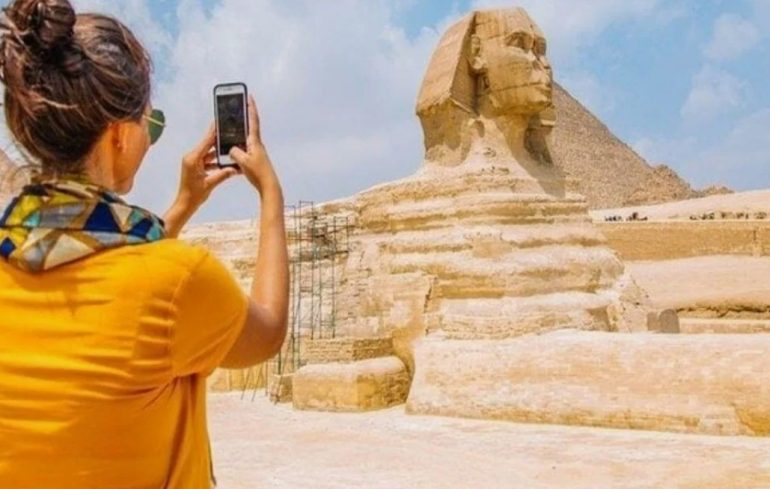
Egypt has captivated the hearts and imaginations of travelers for millennia. From the enigmatic pyramids rising from golden sands to the life-giving waters of the Nile, this ancient land offers an experience unlike any other on Earth. Whether you’re drawn by its archaeological treasures, vibrant culture, or warm hospitality, Egypt promises a journey that will stay with you forever.
A Journey Through Time: Egypt’s Rich Historical Tapestry
Egypt’s history stretches back over 5,000 years, making it one of the world’s oldest continuous civilizations. The ancient Egyptians built monuments that still inspire awe today, including the Great Pyramid of Khufu, the only surviving wonder of the ancient world. When planning vacations in egypt, visitors are essentially stepping into a living museum where every stone tells a story of pharaohs, priests, and the common people who built an empire that would influence humanity for generations to come.
The country witnessed the rise and fall of thirty dynasties over three millennia, each leaving their mark on the landscape. From the Old Kingdom’s pyramid builders to the New Kingdom’s warrior pharaohs like Ramses II, Egypt’s historical narrative is one of innovation, conquest, and cultural achievement. The famous Giza tours and attractions showcase the architectural genius of the Fourth Dynasty, where the three main pyramids stand as eternal testaments to human ambition and engineering prowess. Beyond the pyramids, Egypt’s history continued through Greek, Roman, Byzantine, and Islamic periods, each adding layers of cultural richness. The temples of Luxor and Karnak, the tombs in the Valley of the Kings, and the stepped pyramid of Djoser at Saqqara all contribute to an unparalleled historical landscape that attracts millions of visitors annually.
Understanding Egypt’s Geographical Diversity
Geographically, Egypt is a study in contrasts, where vast deserts meet fertile river valleys and ancient mountains descend to pristine coastlines. The country spans the northeastern corner of Africa, with the Sinai Peninsula serving as a land bridge to Asia. At its heart flows the Nile River, the world’s longest river, which has been Egypt’s lifeline since antiquity. This mighty waterway creates a narrow ribbon of lush, green farmland through an otherwise arid landscape, demonstrating nature’s ability to sustain life in the harshest conditions.
The Western Desert, part of the vast Sahara, covers roughly two-thirds of Egypt’s territory and features stunning landscapes including the White Desert’s chalk formations and the oases of Siwa, Bahariya, and Farafra. The Eastern Desert, stretching between the Nile and the Red Sea, contains mineral-rich mountains and ancient trade routes. Egypt’s coastlines offer entirely different experiences: the Mediterranean coast in the north provides beaches and the historic city of Alexandria, while the Red Sea coast to the east is a paradise for divers and marine enthusiasts, with world-famous resort towns like Sharm El-Sheikh and Hurghada. The Sinai Peninsula combines dramatic mountain scenery, including Mount Sinai where Moses is said to have received the Ten Commandments, with some of the planet’s most spectacular coral reefs. This geographical diversity means that travelers can experience desert adventures, river cruises, mountain trekking, and beach relaxation all within one country.
Climate, Culture, and Egyptian Society
Egypt’s climate is predominantly desert, characterized by hot, dry summers and mild winters. Summer temperatures from May to September can soar above 40°C (104°F) in southern regions like Luxor and Aswan, while coastal areas benefit from Mediterranean and Red Sea breezes that moderate the heat. Winter months from November to March offer the most comfortable conditions for exploration, with daytime temperatures ranging from 20-25°C (68-77°F), though evenings can be surprisingly cool, especially in desert regions. Rain is rare throughout most of the country, falling mainly along the Mediterranean coast during winter months. Understanding these climatic patterns is essential when planning your itinerary, as the intense summer heat can make extensive outdoor exploration challenging, particularly at archaeological sites with limited shade.
Egyptian society is warm, hospitable, and deeply rooted in family values and religious traditions. The vast majority of Egypt’s 100+ million inhabitants are Muslim, with a significant Coptic Christian minority, and religious observance plays an important role in daily life. Egyptian culture places great emphasis on hospitality and respect for guests, which travelers will experience throughout their journey. The country’s social fabric is woven with strong family ties, communal gatherings, and a love of celebration. Traditional customs coexist with modern influences, particularly in cities like Cairo and Alexandria, creating a unique cultural blend. Arabic is the official language, though English is widely spoken in tourist areas and by younger generations. Egyptian cuisine reflects the country’s agricultural abundance and historical trade connections, featuring dishes like koshari, ful medames, and molokhia, accompanied by fresh bread and aromatic teas. The concept of “Egyptian time” means that punctuality may differ from Western standards, and a more relaxed approach to scheduling is common. Understanding and respecting local customs, such as modest dress codes, especially when visiting religious sites, and accepting offers of tea as a sign of hospitality, will greatly enhance your cultural experience and interactions with locals.
Essential Travel Advice for Egypt
Planning a successful trip to Egypt requires thoughtful preparation and realistic expectations. Many travelers find that booking Egypt Private Tour Packages provides the most seamless experience, as professional guides offer invaluable historical context, navigate logistics, and handle negotiations with vendors, allowing you to focus entirely on absorbing the magnificent sights. When traveling independently, always agree on prices for taxis, tours, and purchases before engaging the service, as bargaining is expected and part of the cultural experience in markets and with unofficial vendors.
Here are crucial tips for travelers to Egypt:
- Visa Requirements: Most nationalities can obtain a visa on arrival at Egyptian airports for approximately $25 USD, or apply for an e-visa online before travel. Ensure your passport is valid for at least six months beyond your intended departure date.
- Health Precautions: Drink only bottled water, avoid ice in drinks, and be cautious with street food initially to allow your digestive system to adjust. Bring hand sanitizer and use it frequently. Consider travel insurance that covers medical emergencies.
- Dress Appropriately: While Egypt is relatively liberal compared to some Middle Eastern countries, modest clothing is respectful and practical. Women should carry a scarf for visiting mosques, and both men and women should cover shoulders and knees at religious sites.
- Currency and Payments: The Egyptian Pound (EGP) is the local currency. ATMs are widely available in cities and tourist areas. Carry small bills for tips (baksheesh is customary for services) and minor purchases. Credit cards are accepted at hotels and upscale restaurants but not everywhere.
- Best Times to Visit: October to April offers the most pleasant weather for touring. December to February is peak tourist season, so book accommodations well in advance. If visiting during Ramadan, be aware that restaurant hours and daily rhythms may differ.
- Safety Considerations: Egypt is generally safe for tourists in major destinations and tourist areas. Stay in well-populated areas, especially after dark, and follow your accommodation’s advice about which areas to avoid. Keep copies of important documents separately from originals.
- Transportation: Domestic flights connect major cities quickly and affordably. Trains offer a scenic way to travel between Cairo, Luxor, and Aswan. For comfort and convenience, consider hiring private drivers or using reputable taxi apps in cities. Nile cruises provide a luxurious way to see Upper Egypt’s temples.
- Photography: While photography is generally permitted at most tourist sites, some locations require a camera ticket for an additional fee. Always ask permission before photographing people, especially women, and never photograph military or government installations.
- Communication: Purchase a local SIM card at the airport for data and local calls, which is inexpensive and convenient. WiFi is available at most hotels and many cafes.
- Tipping Culture: Baksheesh is an integral part of Egyptian life. Small tips are expected for services like restroom attendants, guides, drivers, and hotel staff. Keep small bills handy for this purpose.
Egypt rewards those who approach it with an open mind, patience, and a sense of adventure. The minor challenges of travel in a developing country pale in comparison to the extraordinary experiences awaiting you. From watching the sunrise over the pyramids to sailing on a traditional felucca boat at sunset, from exploring colorful bazaars filled with spices and handicrafts to standing in awe before colossal temple columns, Egypt offers moments that transcend ordinary tourism. The country’s magic lies not just in its monumental antiquities, but in the warmth of its people, the rhythm of its daily life, and the feeling of connection to human history that pervades every corner. Whether you spend a week or a month, Egypt will challenge your perceptions, enrich your understanding of human civilization, and likely inspire a desire to return.
Start planning your Egyptian adventure today, and prepare for a journey that will educate, inspire, and transform you. The ancient land of the pharaohs awaits with open arms and endless wonders to discover.