Clearer voices in loud places
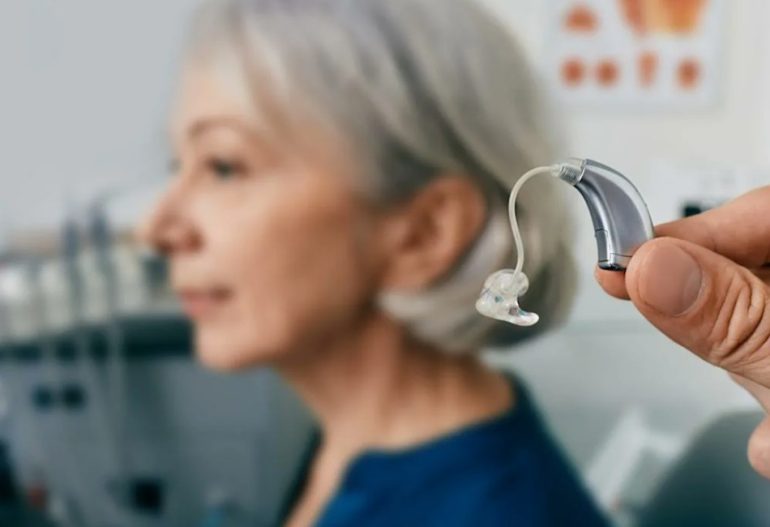
The restaurant was buzzing, plates clinking and chairs scraping, yet Emma could suddenly follow every word of her grandson’s story. When she first explored the cost of hearing aids Calgary, she worried that even powerful devices would fail in crowded rooms. Instead, her new technology began to separate voices from chaos in a way she had never experienced. For many people like Emma, this shift feels less like getting a gadget and more like getting a part of daily life back.
Why noisy spaces feel overwhelming
Loud cafés, open-plan offices, and busy streets create a messy soundscape where every noise competes for attention. For someone with reduced hearing, the brain must work even harder to sort out speech from clatter. This effort often leads to fatigue, misunderstandings, and a quiet decision to withdraw from conversations.
- Multiple sound sources overlap and mask consonants that carry meaning in speech.
- Echoes in hard rooms blur syllables and make sentences run together.
- Sudden sounds, like dropped cutlery or a slammed door, can feel jarring and distracting.
- Visual cues become harder to use when people turn away, walk around, or talk over one another.
How new devices shape sound
To tackle this chaos, engineers design tiny systems that constantly scan the acoustic scene and adjust on the fly. Instead of simply making everything louder, these devices treat different sounds in different ways. Voices are highlighted, while many types of noise are softened or pushed into the background.
| Feature | What it does in noisy settings |
|---|---|
| Directional microphones | Focus on the person in front of you while turning down clatter from the sides and behind. |
| Digital noise reduction | Detects ongoing background hum and reduces it so that speech feels clearer. |
| Wind and impulse control | Softens gusts of wind and sudden sharp sounds that can break concentration. |
| Adaptive programs | Switch between quiet rooms, busy streets, and social events without manual tweaking. |
When voices step forward
For the listener, the technical work happening in the background turns into very human moments. Instead of nodding politely and guessing, they can ask follow-up questions, hear jokes to the end, and catch names the first time. That sense of ease changes not only how they hear, but how they take part.
At a family gathering, the devices do not erase laughter, music, and the clink of glasses, yet they give enough clarity that the person using them can stay in the middle of the conversation instead of avoiding it.
Smart habits that boost clarity
Technology goes further when the listener uses simple strategies alongside it. Small adjustments in where you sit, how you face people, and what you ask loved ones to do can transform a difficult room. These habits turn every noisy setting into a bit more of a team effort.
- Choose seats with your back to a wall so noise arrives mostly from the front.
- Ask conversation partners to face you and speak at a steady pace, without shouting.
- In group settings, suggest that one person speaks at a time so key words are not buried.
- Pair the devices with a phone or TV to stream sound directly when you can.
From strain to connection
Many people describe the first weeks with new hearing aids as a shift from guessing to truly engaging. As noisy rooms become less intimidating, they start saying yes to more dinners, games, and community events. Step by step, these solutions turn down the stress and turn up the feeling of belonging.
In the end, hearing aids are not just about amplifying sound; they are about rebuilding the everyday conversations that hold relationships together, even in the loudest corners of life.