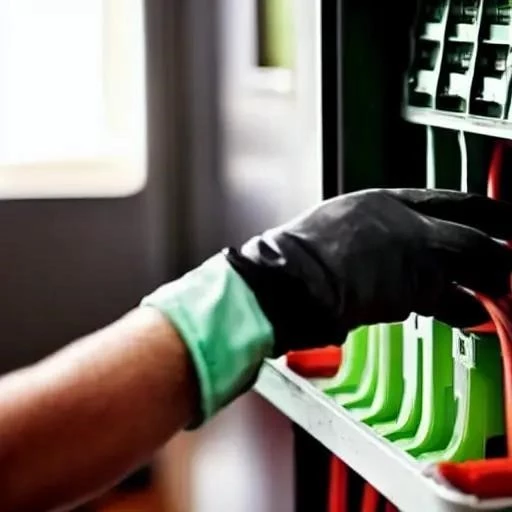
In the intricate symphony of modern automotive engineering, where microchips manage myriad functions and electric vehicles redefine mobility, the humble car battery remains the undisputed heart of any vehicle. It’s the silent powerhouse, tirelessly providing the initial jolt that awakens an engine from its slumber, powering everything from your headlights to your infotainment system. Yet, despite its critical role, many drivers approach battery maintenance, especially the seemingly simple act of connection, with a casualness that borders on perilous. This oversight, surprisingly common, can lead to costly damage, serious injury, or even a complete vehicle breakdown, transforming a routine task into an unexpected roadside drama.
Imagine, for a moment, the frustration of a dead battery – the silence where an engine roar should be, the missed appointments, the sudden disruption to your carefully planned day. Faced with this predicament, the instinct is often to rush, to get power flowing again as quickly as possible. However, the sequence in which you connect your car battery terminals is not merely a suggestion; it’s a fundamental principle of electrical safety and automotive longevity. Disregarding this crucial order is akin to building a house without a proper foundation, inviting instability and potential collapse. Understanding and meticulously following the correct procedure is not just about avoiding immediate sparks; it’s about safeguarding your vehicle’s delicate electronics, preserving the battery’s lifespan, and most importantly, ensuring your personal safety against unexpected electrical hazards.
| Aspect | Detail |
|---|---|
| Why This Matters: | Learn the science behind battery care, preventing expensive repairs. Master the safe method for connecting a car battery to extend its life and your car’s reliability. |
| Safety First | Always wear appropriate safety gear: gloves and safety glasses. Ensure adequate ventilation in the work area. Remove any metal jewelry. |
| When Connecting a Battery (New or Re-connecting): | |
| Connect Positive (Red) First: | Always connect the positive (+) terminal first. This ensures the connection is made to the battery’s positive post, isolated from the vehicle’s grounded chassis. |
| Connect Negative (Black) Last: | After the positive, connect the negative (-) cable. For safety, ensure the negative cable is connected to the battery’s negative post and then to an unpainted metal part of the vehicle’s chassis or engine block, away from the battery itself, to provide a safe ground connection and prevent sparks near the battery gases. If possible, consult your vehicle’s manual for the specific grounding point; |
| Key Takeaways: | Understanding the ‘why’ behind battery connections is crucial for safety and longevity. This knowledge empowers drivers, ensuring confidence and preventing detrimental mistakes. It’s not just about a functioning car; it’s about making informed decisions for vehicle health and personal safety. |
| Reference: | SAE International ౼ J537 Storage Batteries (General automotive battery standards and practices) |
| Additional Safety Tip: | Before starting any battery work, ensure the engine is off and the parking brake is engaged. Avoid touching both terminals simultaneously with tools or body parts. |
The definitive rule, universally endorsed by automotive engineers and safety experts, is startlingly simple yet profoundly impactful: always connect the positive (red) terminal first, followed by the negative (black) terminal. When disconnecting, the order is precisely reversed – negative first, then positive. This isn’t an arbitrary guideline; it’s a meticulously calculated safety protocol designed to mitigate the inherent risks of working with a powerful electrical source. By first securing the positive connection, you establish a primary circuit path without immediately grounding the system. The crucial negative connection, which completes the circuit to the vehicle’s chassis, should then be the final step, ideally connected to an unpainted metal part of the engine block or chassis, far from the battery itself. This strategic grounding point minimizes the chance of creating a spark directly over the battery, where explosive hydrogen gas can accumulate, presenting an incredibly dangerous scenario.
This systematic approach is rooted in fundamental electrical principles. A car battery operates as a direct current (DC) source, with the negative terminal typically connected to the vehicle’s metal frame, effectively grounding the entire system. If you were to connect the negative terminal first, and your wrench accidentally touched a grounded metal part of the car while you were still reaching for the positive terminal, you would instantly create a short circuit. This sudden surge of current can produce a shower of sparks, potentially ignite flammable battery gases, and even weld your tool to the terminal, causing severe burns or damage. Conversely, by connecting the positive terminal first, you ensure that even if your wrench inadvertently touches the vehicle’s chassis, no current will flow because the circuit remains open. It’s a remarkably effective safety buffer, meticulously engineered to protect both the mechanic and the machine, echoing the meticulous design principles seen in aerospace and medical device manufacturing.
Embracing this vital knowledge transforms a potentially hazardous task into a confident, controlled procedure. Mastering the correct sequence for connecting and disconnecting your car battery is more than just a maintenance tip; it’s a fundamental aspect of responsible vehicle ownership, akin to knowing how to check your tire pressure or oil levels. This seemingly small detail contributes significantly to the overall health and longevity of your vehicle, preventing voltage spikes that can damage sensitive onboard electronics, from the engine control unit to your navigation system. Furthermore, as our vehicles become increasingly sophisticated, integrating advanced driver-assistance systems and complex digital networks, protecting these vital components from electrical mishaps becomes an even greater imperative. Looking ahead, this foundational understanding will remain invaluable, ensuring that drivers are prepared for the evolving demands of automotive care in an increasingly electrified world.
Ultimately, the power to maintain your vehicle safely and effectively rests in your hands. By integrating insights from automotive industry best practices and understanding the underlying electrical principles, you are not merely connecting cables; you are forging a secure, reliable link that powers your journey forward. This knowledge empowers you, the driver, to take charge of your car’s well-being, fostering a sense of self-reliance and ensuring peace of mind on every road traveled. So, the next time you find yourself facing a discharged battery, remember: connect positive first, then negative. It’s a small step, but one that undeniably makes a world of difference, illuminating the path to safer, more confident driving for all.