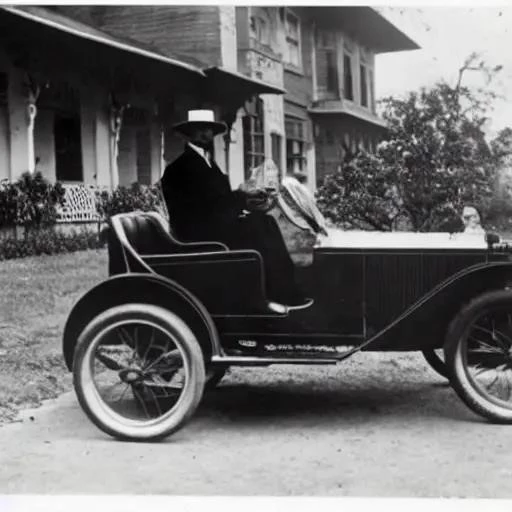
In the vast tapestry of a nation’s history‚ certain moments stand out as pivotal‚ serving as the genesis of monumental shifts. For India‚ a country now recognized as a global automotive powerhouse‚ that seminal moment arrived quietly in the late 19th century‚ far from the roaring engines and bustling factories we associate with its industry today. Imagine a time when the very concept of a self-propelled carriage was a bewildering marvel‚ a futuristic contraption whispered about in hushed tones. It was an era when horses and palanquins still ruled the roads‚ and the idea of personal motorized transport seemed like an outlandish dream‚ almost bordering on science fiction. Yet‚ one visionary dared to dream bigger‚ importing a piece of the future that would‚ incredibly‚ set the wheels in motion for an entire nation’s industrial destiny.
This single act of forward-thinking enterprise wasn’t merely a luxury purchase; it was a profound statement‚ a declaration of intent for a nascent industrial future. It symbolized an embrace of innovation that would resonate through generations‚ eventually culminating in India’s formidable standing in the global automotive landscape. The individual behind this groundbreaking acquisition was none other than Jamshetji Nusserwanji Tata‚ a name synonymous with pioneering spirit and nation-building. His decision to bring the first automobile to Indian shores in 1897 was a bold stride into an unknown technological frontier‚ effectively laying the foundational brick for what would become a colossal industry‚ driving economic growth and empowering millions. His pioneering vision‚ far exceeding the conventional wisdom of his time‚ foresaw a dynamic future for India‚ propelled by modern technology and relentless ambition.
| Category | Information |
|---|---|
| Name | Jamshetji Nusserwanji Tata |
| Born | 3 March 1839‚ Navsari‚ Bombay Presidency‚ British India |
| Died | 19 May 1904 (aged 65)‚ Bad Nauheim‚ German Empire |
| Nationality | Indian (Parsi) |
| Known For | Pioneer of the Indian industry‚ founder of the Tata Group‚ credited with buying India’s first car. |
| Career | Founder of the Tata Group (1868)‚ established Empress Mills‚ Tata Steel‚ Taj Mahal Palace & Tower. |
| Professional Background | Visionary industrialist‚ philanthropist‚ and nationalist who laid the groundwork for India’s economic independence and industrialization. |
| Official Website Reference | Tata Group ─ J.N. Tata |
Jamshetji Tata‚ a man driven by an insatiable hunger for progress‚ imported a Daimler‚ marking the inaugural appearance of a motorcar on Indian soil. This wasn’t just a personal indulgence; it was a clear signal of the modern age dawning upon a traditional society. His pioneering purchase‚ a testament to his belief in technological advancement‚ was an incredibly daring move for the late 19th century. At a time when infrastructure was rudimentary and fossil fuels were scarce‚ owning and operating such a vehicle required not just wealth‚ but an audacious spirit. This single act‚ often overlooked in broader historical narratives‚ became a potent symbol of what was possible‚ inspiring future generations of entrepreneurs and engineers to look beyond the immediate and envision a technologically advanced India.
Fast forward to today‚ and the echoes of Jamshetji’s foresight reverberate across the bustling assembly lines and vibrant showrooms of India. The nation has transformed from a land of bullock carts to a global manufacturing hub‚ producing millions of vehicles annually. Leading this charge‚ quite fittingly‚ is Tata Motors‚ a direct descendant of Jamshetji’s visionary legacy. From developing the iconic Nano‚ aimed at democratizing car ownership‚ to acquiring global brands like Jaguar Land Rover‚ Tata Motors has continually pushed the boundaries of innovation and accessibility. Their journey mirrors India’s own spectacular rise‚ demonstrating how a singular act of courage can blossom into an entire ecosystem of innovation‚ employment‚ and economic prosperity.
The story of India’s first car is more than a historical footnote; it’s an inspiring blueprint for progress. It underscores the profound impact a single individual’s vision can have on an entire nation’s trajectory. Today‚ India stands as the world’s third-largest automotive market‚ a testament to relentless innovation and an unyielding entrepreneurial spirit. By integrating insights from advanced manufacturing techniques and embracing sustainable technologies‚ the Indian automotive sector is powerfully positioned for an even brighter future. The journey from a solitary imported Daimler to millions of indigenously produced vehicles is a powerful narrative of ambition realized‚ proving that with vision and perseverance‚ any challenge can be transformed into an incredible opportunity for growth and global leadership. The road ahead for India’s automotive industry‚ built on such a solid‚ pioneering foundation‚ looks incredibly promising‚ driving not just cars‚ but the very aspirations of a rapidly developing nation.