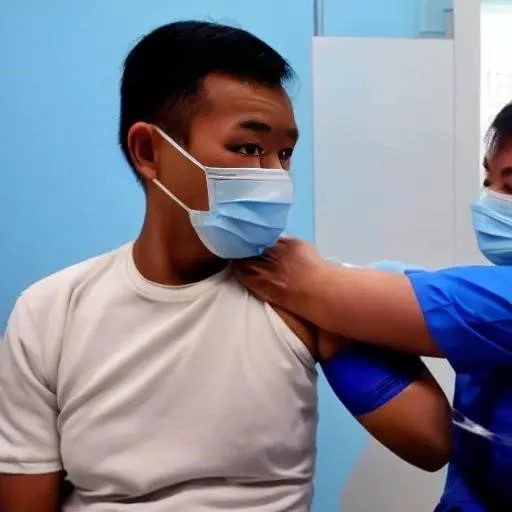
Embarking on international travel often involves exciting preparation, from booking flights to planning itineraries. However, one crucial step that should never be overlooked is ensuring your health and safety, especially concerning preventable diseases like typhoid fever. Understanding how long typhoid vaccination before travel is necessary is paramount for effective protection. This proactive approach ensures your immune system has adequate time to build defenses, allowing for a worry-free journey. Therefore, it’s essential to consult with a healthcare professional well in advance to discuss specific recommendations for your destination and to understand precisely how long typhoid vaccination before travel should be administered to maximize its efficacy.
Understanding Typhoid and Its Risks for Travelers
What is Typhoid Fever?
Typhoid fever is a serious bacterial infection caused by Salmonella Typhi. It is typically spread through contaminated food and water, making travelers to regions with poor sanitation and hygiene practices particularly vulnerable. Symptoms can range from sustained high fever, fatigue, headache, nausea, and abdominal pain to more severe complications like internal bleeding or perforation of the intestine if left untreated. Without proper medical attention, typhoid fever can be life-threatening.
Who is Most at Risk?
While anyone can contract typhoid, travelers visiting countries where the disease is common are at an elevated risk. These areas often include parts of South Asia, Southeast Asia, Africa, and Latin America. Backpackers, those visiting friends and relatives, and individuals on extended stays in high-risk regions typically face a greater exposure risk compared to short-term tourists staying in luxury accommodations. However, even short trips can pose a risk if proper precautions are not followed.
Types of Typhoid Vaccines and Their Efficacy
Currently, there are two primary types of typhoid vaccines available, each offering effective protection but differing in their administration and recommended timing:
- Injectable Vaccine (Typhoid Polysaccharide Vaccine, ViCPS): This vaccine is given as a single shot and is suitable for individuals aged two years and older. It offers protection against typhoid fever for approximately three years.
- Oral Vaccine (Live Attenuated Ty21a Vaccine): This vaccine comes in capsule form and is typically administered as four doses, taken every other day. It is suitable for individuals aged six years and older and provides protection for about five years.
Both vaccine types are highly effective in preventing typhoid fever, though neither offers 100% protection. Therefore, practicing good hygiene and being mindful of food and water safety remain crucial even after vaccination.
Optimal Timing: How Long Before Travel Should You Get Your Typhoid Vaccination?
The effectiveness of your typhoid vaccination significantly depends on receiving it with adequate lead time before your departure. For the injectable vaccine (ViCPS), it is generally recommended to get the single dose at least two weeks before you travel. This allows your body sufficient time to develop a protective immune response. For the oral vaccine (Ty21a), which involves multiple doses, the full course should ideally be completed at least one week prior to travel, meaning you should start the series even earlier, typically three to four weeks before your trip, to ensure all doses are taken on schedule. Considering how long typhoid vaccination before travel is needed, planning ahead is key to ensuring you are fully protected.
Important Considerations for Travelers
Booster Doses and Re-vaccination
Protection from typhoid vaccines is not lifelong. Booster doses are required to maintain immunity, especially for frequent travelers or those planning extended stays in endemic areas. For the injectable vaccine, a booster is recommended every three years. For the oral vaccine, re-vaccination is advised every five years; Always consult your healthcare provider to determine if a booster is necessary based on your travel history and future plans.
Other Health Precautions While Traveling
Vaccination is a critical layer of defense, but it should be combined with other preventive measures:
- Safe Food Practices: “Boil it, cook it, peel it, or forget it.” Avoid raw fruits and vegetables that you haven’t peeled yourself, unpasteurized dairy products, and food from street vendors unless you’re confident in their hygiene.
- Safe Water Practices: Drink only bottled water with an unbroken seal, carbonated beverages, or water that has been boiled or disinfected. Avoid ice unless you know it’s made from safe water.
- Hand Hygiene: Wash your hands frequently with soap and water, especially before eating and after using the restroom. Use an alcohol-based hand sanitizer if soap and water are not available.
Frequently Asked Questions (FAQ)
Q: Is the typhoid vaccine mandatory for international travel?
A: The typhoid vaccine is not typically mandatory for entry into any country, but it is highly recommended for travelers visiting areas where typhoid fever is prevalent, especially if you plan to stray from typical tourist routes or have extended stays.
Q: Can I get the typhoid vaccine at the last minute before my trip?
A: While it’s always better to get some protection than none, last-minute vaccination may not provide full immunity. Ideally, you should plan several weeks in advance to allow the vaccine to take full effect. Consult with a travel clinic immediately if you have a last-minute trip;
Q: What are the common side effects of the typhoid vaccine?
A: Side effects are generally mild and temporary. For the injectable vaccine, these may include soreness, redness, or swelling at the injection site, headache, or fever. For the oral vaccine, some people may experience abdominal discomfort, nausea, or headache. Serious side effects are rare.
Q: How long does the protection from the typhoid vaccine last?
A: The injectable vaccine typically provides protection for about three years, while the oral vaccine offers protection for approximately five years. Booster doses are required to maintain immunity beyond these periods.
Understanding how long typhoid vaccination before travel is recommended is an essential component of responsible trip planning. By scheduling your vaccination well in advance and combining it with diligent food and water safety practices, you significantly reduce your risk of contracting typhoid fever. Always consult with a healthcare professional or a travel clinic to receive personalized advice tailored to your specific travel itinerary and health profile, ensuring you embark on your journey well-prepared and protected.