In an era defined by ever-increasing living costs and a growing imperative for sustainable choices, discerning vehicle owners are continually seeking intelligent ways to manage their expenses. One often-overlooked yet profoundly impactful avenue for significant financial relief lies in understanding the nuanced criteria that can render your vehicle tax exempt. This isn’t merely about dodging a payment; it’s about strategically navigating a complex regulatory landscape to unlock substantial savings and, in many cases, contribute to broader societal goals. Imagine a future where your commitment to sustainable driving or your appreciation for automotive history is not just a personal choice but also a remarkably effective financial strategy, easing the burden of ownership considerably.
The concept of vehicle tax exemption is far from static; it’s a dynamic policy instrument, constantly evolving to reflect shifts in economic priorities, environmental concerns, and social equity. From venerable classic cars, treasured for their historical significance, to cutting-edge electric vehicles, heralded as pioneers of a greener future, various categories are strategically positioned for relief. By meticulously understanding these pathways, individuals are empowered to make informed decisions, transforming their annual vehicle excise duty from an inevitable expense into a potential opportunity for reinvestment or enhanced financial freedom. This proactive approach to vehicle ownership is increasingly becoming a hallmark of astute consumers, shaping the future of personal transport.
Key Vehicle Tax Exemption Criteria
Understanding the common grounds for vehicle tax exemption is the first step towards potentially reducing your annual outgoings. While specific regulations can vary by region (e.g., country, state), these categories represent prevalent criteria globally.
| Exemption Category | Description & Criteria | Typical Benefits | Official Reference (Example) |
|---|---|---|---|
| Historic/Classic Vehicles | Vehicles typically manufactured over a certain age (e.g., 40 years ago in the UK, often on a rolling basis). Must be kept in a historically accurate condition. | Full exemption from annual road tax/VED. May also qualify for MOT/inspection exemptions. | UK Gov: Classic Vehicles |
| Electric Vehicles (EVs) & Low Emission Vehicles | Pure electric vehicles, or vehicles with extremely low CO2 emissions (e.g., below 50g/km). Criteria often tied to environmental policies. | Often full exemption or significantly reduced rates, especially for the first few years of registration; | US Energy: EV Tax Credits |
| Vehicles for Disabled Persons | Vehicles used by or for individuals receiving specific disability benefits (e.g., Personal Independence Payment, Disability Living Allowance). | Full exemption from vehicle tax, often applicable to one vehicle per eligible individual. | UK Gov: Disabled People |
| Agricultural & Specialized Vehicles | Tractors, agricultural machines, gritters, road rollers, and other vehicles used exclusively for specific non-road purposes or emergency services. | Often exempt or subject to very low, specialized tax rates due to their specific operational nature. | UK Gov: Special Vehicles |
The Allure of the Antique: Historic Vehicles
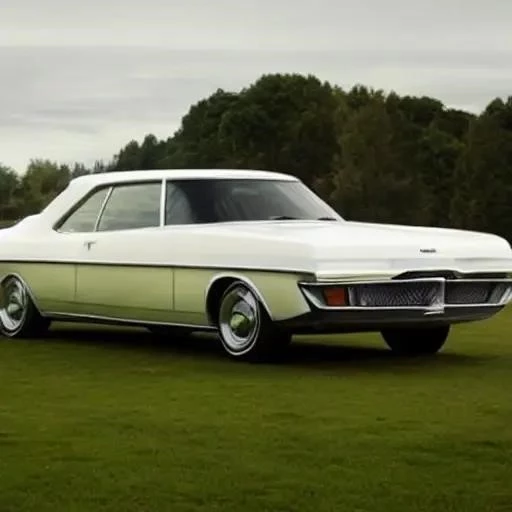
For enthusiasts, the passage of time transforms an ordinary car into a coveted classic, and with that transformation often comes the significant perk of tax exemption. In many jurisdictions, vehicles reaching a certain age – typically 30 or 40 years – are granted exemption from annual vehicle tax, recognizing their heritage status rather than their environmental impact. This policy, fundamentally encouraging the preservation of automotive history, is a powerful incentive for collectors and restorers alike. It acknowledges the dedication involved in maintaining these mechanical marvels, offering a tangible reward for keeping a piece of motoring legacy alive. Imagine a meticulously restored vintage roadster, gliding along the highway, its owner not only enjoying the timeless elegance but also benefiting from the foresight of historic vehicle legislation.
Driving Towards Tomorrow: Electric and Low-Emission Vehicles
The global pivot towards sustainability has powerfully reshaped vehicle taxation, strategically placing electric vehicles (EVs) and those with ultra-low emissions at the forefront of exemption policies. Governments worldwide are utilizing tax breaks as a crucial lever to accelerate the adoption of greener transport solutions. For instance, in several European nations and even parts of the United States, pure EVs are completely exempt from road tax, or benefit from significantly reduced rates for their initial years. This forward-thinking approach isn’t merely a subsidy; it’s an investment in public health, air quality, and the fight against climate change, offering a compelling financial incentive that aligns personal savings with planetary well-being. By embracing an EV, owners are not just purchasing a mode of transport; they are proactively investing in a cleaner, more efficient future, often reaping immediate economic benefits.
Empowering Mobility: Exemptions for Disabled Individuals
Beyond historical preservation and environmental stewardship, vehicle tax exemptions play a vital role in social equity. Policies are thoughtfully crafted in many countries to support individuals with disabilities, ensuring their mobility is not unduly burdened by taxation. Those receiving specific disability benefits are often eligible for full exemption from vehicle tax on one or more vehicles, depending on local regulations. This critical provision underscores a commitment to inclusivity, recognizing the essential role personal transport plays in enabling independence and participation in society for millions. It’s a testament to a compassionate regulatory framework, actively removing financial barriers to empower those who need it most, facilitating journeys that might otherwise be prohibitively expensive.
Specialized Roles: Agricultural and Emergency Vehicles
A final, yet equally important, category encompasses specialized vehicles that serve vital community functions or operate under unique conditions. Agricultural vehicles, such as tractors and combine harvesters, are frequently exempt due to their operational environment and their indispensable role in food production. Similarly, emergency service vehicles, including ambulances, fire engines, and police cars, are almost universally exempt from road tax, recognizing their non-profit, life-saving functions. These exemptions highlight a pragmatic approach to taxation, distinguishing between personal use and vehicles that are instrumental to a functioning society, ensuring essential services are not hampered by unnecessary administrative costs.
Navigating Towards a Smarter Future
The journey towards understanding when a vehicle becomes tax exempt is more than just a quest for financial relief; it’s an exploration of smart ownership in a rapidly evolving world. From cherishing the legacy of classic cars to championing the environmental benefits of electric vehicles, and from ensuring mobility for disabled individuals to supporting essential community services, the pathways to exemption are diverse and meaningful. By proactively engaging with these criteria, vehicle owners are not merely saving money; they are aligning their choices with broader societal values and future-oriented policies. We are standing at the precipice of a new era in automotive ownership, one where informed decisions can profoundly impact both personal finances and collective well-being. Embrace the knowledge, explore the possibilities, and drive confidently into a future of more intelligent, sustainable, and economically savvy vehicle stewardship.