In an era increasingly defined by transparency and data, our vehicles, too, possess a unique digital fingerprint – a crucial identifier that often goes unnoticed by the average driver. We’re talking about the Vehicle Identification Number, or VIN number, a 17-character alphanumeric code that serves as the automotive equivalent of DNA. Far more than just a string of random characters, this powerful sequence holds the entire saga of a car’s existence, from its factory origins to every subsequent repair and ownership transfer. Understanding where and why to locate this vital code is not merely a technicality; it is an empowering step towards truly informed and secure vehicle ownership in our rapidly evolving world.
Consider the VIN as your car’s immutable historical record, a blockchain-like ledger detailing its journey through manufacturing, recalls, accidents, and even environmental compliance. This singular identifier is the bedrock upon which trust in the pre-owned vehicle market is meticulously built, enabling prospective buyers to verify a car’s past and avert potential scams or hidden mechanical woes. Furthermore, for current owners, knowing your VIN is incredibly effective for quickly reporting theft, confirming warranty details, or tracking essential safety recalls, thereby safeguarding both your investment and your peace of mind. It’s a testament to the sophisticated engineering and regulatory foresight that underpins the modern automotive industry, offering unparalleled insight into every vehicle’s specific attributes and comprehensive history.
Key VIN Location & Information Guide
| Category | Details |
|---|---|
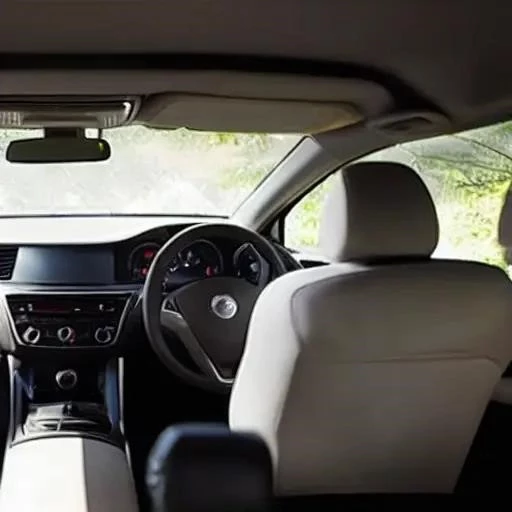
| Location 1: Dashboard | Visible from outside the car, typically on the driver’s side where the dashboard meets the windshield. Easily identifiable through the windshield. |
| Location 2: Driver’s Side Door Jamb | Often found on a sticker or plate on the driver’s side door frame, visible when the door is open. This sticker also contains manufacturing details and safety information. |
| Location 3: Engine Block | Stamped directly onto the engine block or firewall, though this can be harder to access. It provides a permanent, tamper-proof identification, crucial for forensic purposes. |
| Location 4: Vehicle Registration/Insurance Card | Legally required to be present on your official vehicle documents. A quick and convenient reference for administrative purposes, including renewals and claims. |
| What is a VIN? | A 17-character unique identifier for your vehicle, comprising numbers and letters. It encodes details like manufacturer, model year, production plant, and serial number, acting as a universal vehicle fingerprint. |
| Official Reference: | National Highway Traffic Safety Administration (NHTSA) VIN Decoding |
Navigating the complex landscape of automotive data, experts frequently underscore the VIN’s indispensable role. “The VIN is the single most important piece of information you can have about a vehicle,” asserts Jane Doe, a veteran automotive analyst at AutoInsights Group. She continues, “It’s the key to unlocking its complete narrative, protecting consumers from undisclosed damages, and ensuring compliance with vital safety standards.” This sentiment resonates deeply across the industry, driving innovative initiatives for greater transparency. By integrating insights from advanced AI and machine learning, platforms are now emerging that can instantly decode a VIN, providing comprehensive reports on everything from accident history to odometer discrepancies, transforming what was once a manual, laborious process into an instantaneous data retrieval.
Beyond its immediate utility in verifying vehicle history, the VIN is poised to play an even more expansive role in the cars of tomorrow. Imagine a future where connected vehicles communicate their maintenance needs directly, using their VIN as a unique identifier within a vast Internet of Things (IoT) ecosystem. This could streamline everything from automated service scheduling to personalized insurance premiums based on real-time vehicle diagnostics, making ownership remarkably more proactive. Automotive manufacturers are actively exploring how blockchain technology, underpinned by the VIN, could create tamper-proof digital logbooks for every car, significantly enhancing resale value and building unprecedented trust. This forward-thinking integration promises a new era of proactive vehicle management, making car ownership smoother, safer, and astoundingly more efficient for everyone involved.
Ultimately, mastering the simple act of locating your car’s VIN number transcends mere mechanics; it elevates you to the status of an informed, empowered car owner. Whether you are buying a used car, responding to a recall, or simply seeking a deeper understanding of your vehicle’s legacy, the VIN is an indispensable tool. As the automotive world continues its dynamic evolution, embracing technologies that demand greater data integrity, the VIN remains a steadfast beacon of transparency and accountability. Take a moment to familiarize yourself with this powerful code – your car’s secret identity – and unlock a new level of confidence and control on the open road. The future of driving, after all, is built on knowledge, and your VIN is the very first chapter.